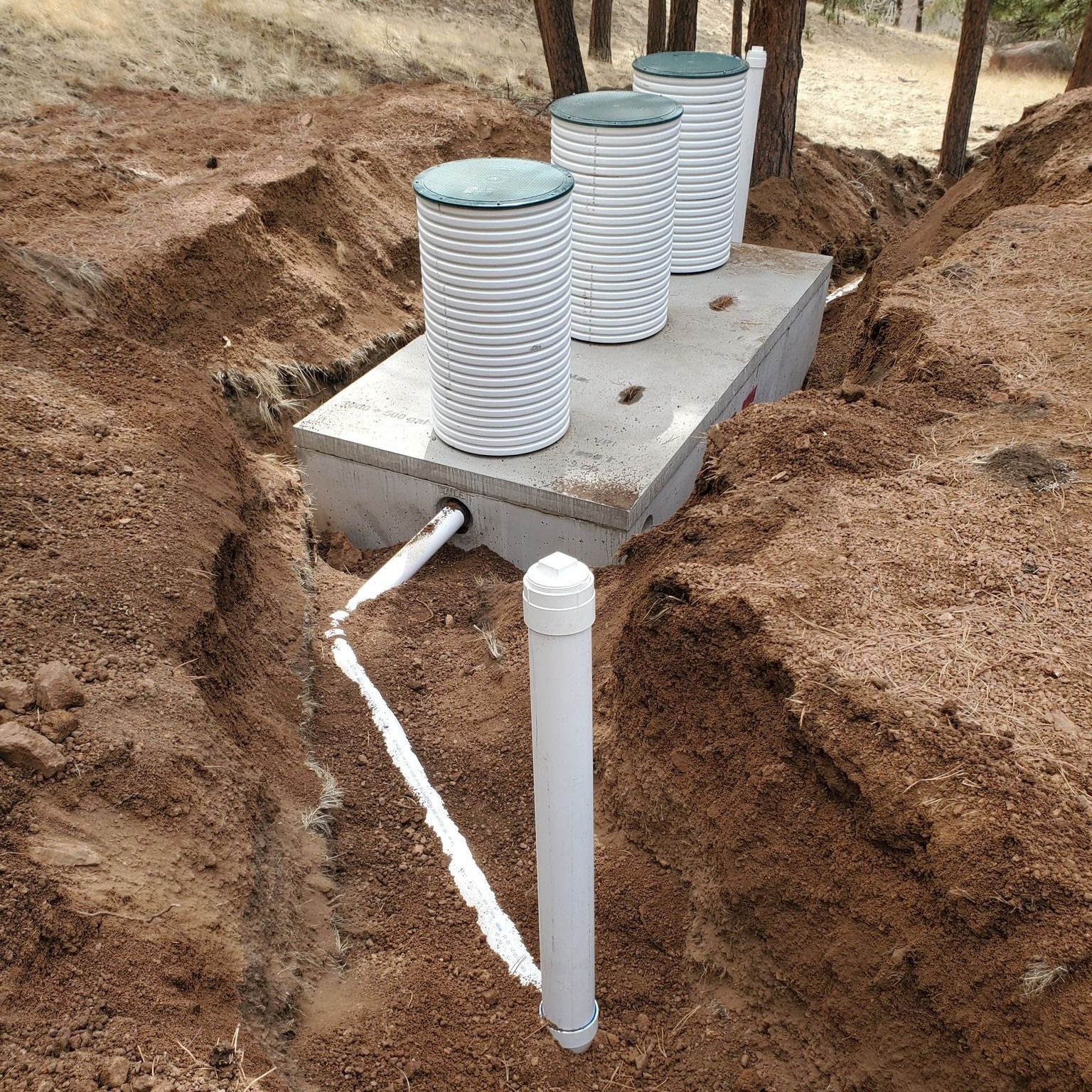
What Is An Engineered Septic System?


An engineered septic system is a wastewater treatment system designed by a licensed engineer that uses controlled dosing and filtration to slow effluent movement, allowing proper treatment before it reenters the groundwater.
In mountain areas like Teller and Park County, engineered systems are required not because soil won’t absorb wastewater—but because it absorbs it too quickly.
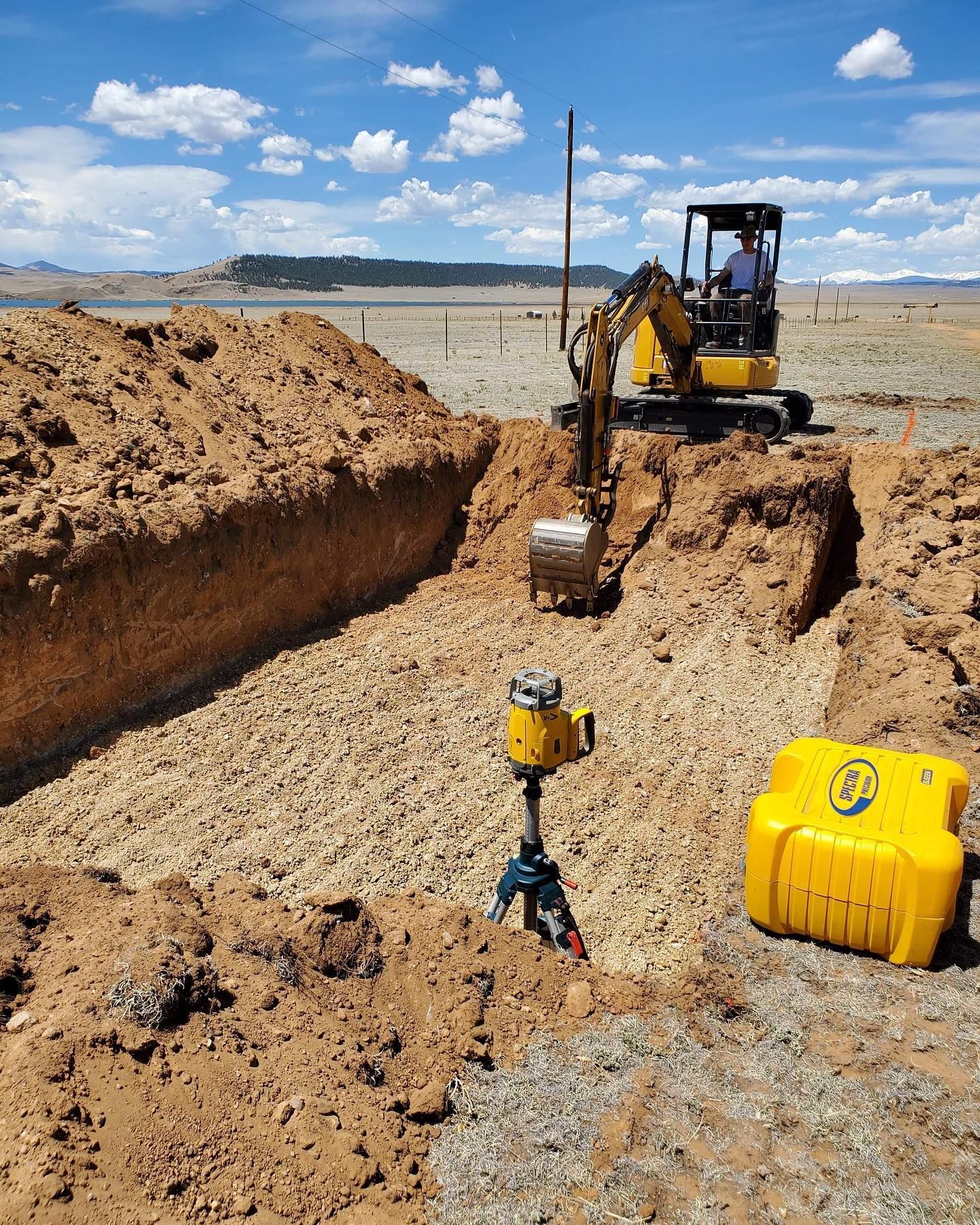
Why Are Engineered Septic Systems Required in Mountain Areas?
In many mountain regions, native soils are coarse, rocky, and well-draining. While this might sound ideal, septic systems rely on time and contact for proper treatment. When wastewater moves through soil too quickly, there isn’t enough opportunity for biological processes to break down pathogens and nutrients before the effluent reaches groundwater.
An engineered septic system is required when soil testing shows percolation rates that exceed allowable limits. In these cases, the concern isn’t absorption—it’s over-efficiency. Without controls in place, untreated or partially treated wastewater can migrate rapidly through the subsurface environment.
How Does an Engineered Septic System Work?
An engineered septic system is designed to slow, regulate, and evenly distribute wastewater so proper treatment can occur.
After wastewater leaves the septic tank, it is pumped rather than gravity-fed. This allows effluent to be delivered in measured doses, destributing the effluent evenly over the sand filter. The effluent then passes through the sand filter or similar treatment component, which provides a consistent media that slows flow and supports biological treatment.
This controlled process ensures the wastewater spends enough time in the system to be treated before reentering the native soil and groundwater environment.
What Makes an Engineered Septic System Different from a Standard System?
The primary difference between a standard and engineered septic system is control.
A standard system relies on gravity and assumes soil conditions will naturally regulate flow and treatment. In fast-draining mountain soils, that assumption doesn’t hold true.
Engineered systems introduce:
- Pumped, timed dosing instead of continuous gravity flow
- Filtration media to regulate percolation rates
- Even distribution across the entire soil treatment area
These features allow the system to perform consistently, regardless of slope, soil variability, or seasonal conditions.
How Much Does an Engineered Septic System Cost?
An Engineered septic system is a big ticket item, so it is important that it is installed correctly and by a Licensed Contractor. The average cost of a 2-3 bedroom Engineered Septic System (barring any need for blasting or excessive excavation through hard rock) is in the $32-$35,000 range.
Understanding whether an engineered septic system is required early in the planning process helps avoid surprises, delays, and redesign costs. Mountain properties come with unique advantages—and unique infrastructure requirements. Proper design and installation ensure your system performs as intended while protecting groundwater resources.
Conclusion
At Peak DirtWorks, we work with engineered septic systems regularly and understand how mountain soil conditions, permitting requirements, and system design all intersect. From early site evaluation through excavation and installation, we coordinate closely with engineers and health departments to ensure systems are installed correctly, efficiently, and in compliance with local regulations.
If you’re planning new construction or replacing an existing system in Teller or Park County, working with an experienced contractor helps avoid delays, redesigns, and costly mistakes. Our familiarity with engineered septic systems in mountain terrain allows us to identify challenges early and execute the installation as designed.
Learn more about our septic services and how we support engineered septic system installations by visiting our septic services page.
At Peak DirtWorks, we work with engineered septic systems regularly and understand how mountain soil conditions, permitting requirements, and system design all intersect. From early site evaluation through excavation and installation, we coordinate closely with engineers and health departments to ensure systems are installed correctly, efficiently, and in compliance with local regulations.
If you’re planning new construction or replacing an existing system in Teller or Park County, working with an experienced contractor helps avoid delays, redesigns, and costly mistakes. Our familiarity with engineered septic systems in mountain terrain allows us to identify challenges early and execute the installation as designed.
Learn more about our septic services and how we support engineered septic system installations by visiting our septic services page.